
In the rapidly evolving digital landscape, capturing the attention of search engines is more crucial than ever. In 2026, the strategies that once dominated the SEO landscape are shifting dramatically. With the rise of AI-driven search technologies and changing user behaviors, businesses must adapt their approaches to ensure visibility and relevance. This article will explore effective strategies to enhance your online presence and attract search engine attention in 2026.
Understanding the New SEO Landscape
The traditional metrics of success in SEO, such as rankings and traffic, are no longer sufficient indicators of performance. In 2026, the focus has shifted towards understanding user intent and delivering personalized experiences. This shift is driven by several factors:
AI Integration
AI technologies are reshaping how users interact with search engines. Features like AI Overviews and conversational search are becoming the norm, making it essential for brands to optimize for these new formats. Search engines are increasingly relying on AI to provide users with direct answers, making it vital for businesses to be included in these AI-generated responses.
Multi-Surface Discovery
Users are not just searching on Google; they are exploring platforms like TikTok, Instagram, and YouTube for information. This diversification requires a broader approach to SEO that encompasses various channels. Brands must ensure their content is discoverable across multiple platforms to reach their audience effectively.
User-Centric Content
Content that resonates with users on a personal level is prioritized. Brands must create engaging, relevant content that addresses specific user needs and preferences. This means understanding your audience deeply and tailoring your messaging accordingly.
The Importance of Keyword Research
Keyword research remains a cornerstone of any successful SEO strategy. It involves identifying the terms and phrases that potential customers use when searching for products or services related to your business. Here’s how to conduct effective keyword research:
Tools for Keyword Research
Utilize tools like Google Keyword Planner, SEMrush, or Ahrefs to discover relevant keywords. These tools provide insights into search volume, competition, and related keywords, helping you identify the best opportunities for your content.
Long-Tail Keywords
Focus on long-tail keywords, which are longer and more specific phrases. They often have lower competition and can attract highly targeted traffic. For example, instead of targeting “shoes,” consider “best running shoes for flat feet.” This specificity can lead to higher conversion rates as users are more likely to find exactly what they are looking for. The key is to target long-tail keywords that have a significant amount of traffic. For a sound monitoring company based in Oregon an example would be “Sound Monitoring Devices Oregon“.
Analyze Competitors
Examine the keywords your competitors are ranking for. This can reveal gaps in your strategy and highlight opportunities for content creation. Understanding what works for others in your niche can inform your own approach and help you stay competitive.
Crafting High-Quality Content
Creating valuable, informative content is essential for attracting and retaining visitors. Here are some strategies to enhance your content quality:
Address User Intent
Understand the intent behind search queries. Are users looking for information, products, or solutions? Tailor your content to meet these needs effectively. This might involve creating how-to guides, product comparisons, or informative articles that answer common questions.
Use Engaging Formats
Incorporate various content formats such as blog posts, videos, infographics, and podcasts. Diverse content can cater to different audience preferences and improve engagement. For instance, a video tutorial can complement a written guide, providing a richer experience for users.
Optimize for Featured Snippets
Aim to appear in featured snippets by providing concise answers to common questions. Use bullet points, numbered lists, and clear headings to enhance readability. Featured snippets can significantly increase your visibility and drive more traffic to your site.
On-Page SEO Techniques
On-page SEO refers to optimizing individual web pages to rank higher and earn more relevant traffic. Here are key elements to focus on:
Title Tags and Meta Descriptions
Craft compelling title tags and meta descriptions that include your target keywords. These elements should accurately reflect the content and entice users to click. A well-optimized title can make a significant difference in click-through rates.
Header Tags
Utilize header tags (H1, H2, H3) to structure your content. This not only improves readability but also helps search engines understand the hierarchy of your information. Properly structured content is easier for both users and search engines to navigate.
Image Optimization
Optimize images by using descriptive file names and alt text. This enhances accessibility and can improve your rankings in image search results. Images should not only be visually appealing but also contribute to your overall SEO strategy.
Enhancing User Experience (UX)
A positive user experience is crucial for retaining visitors and improving your search rankings. Here are ways to enhance UX:
Improve Site Speed
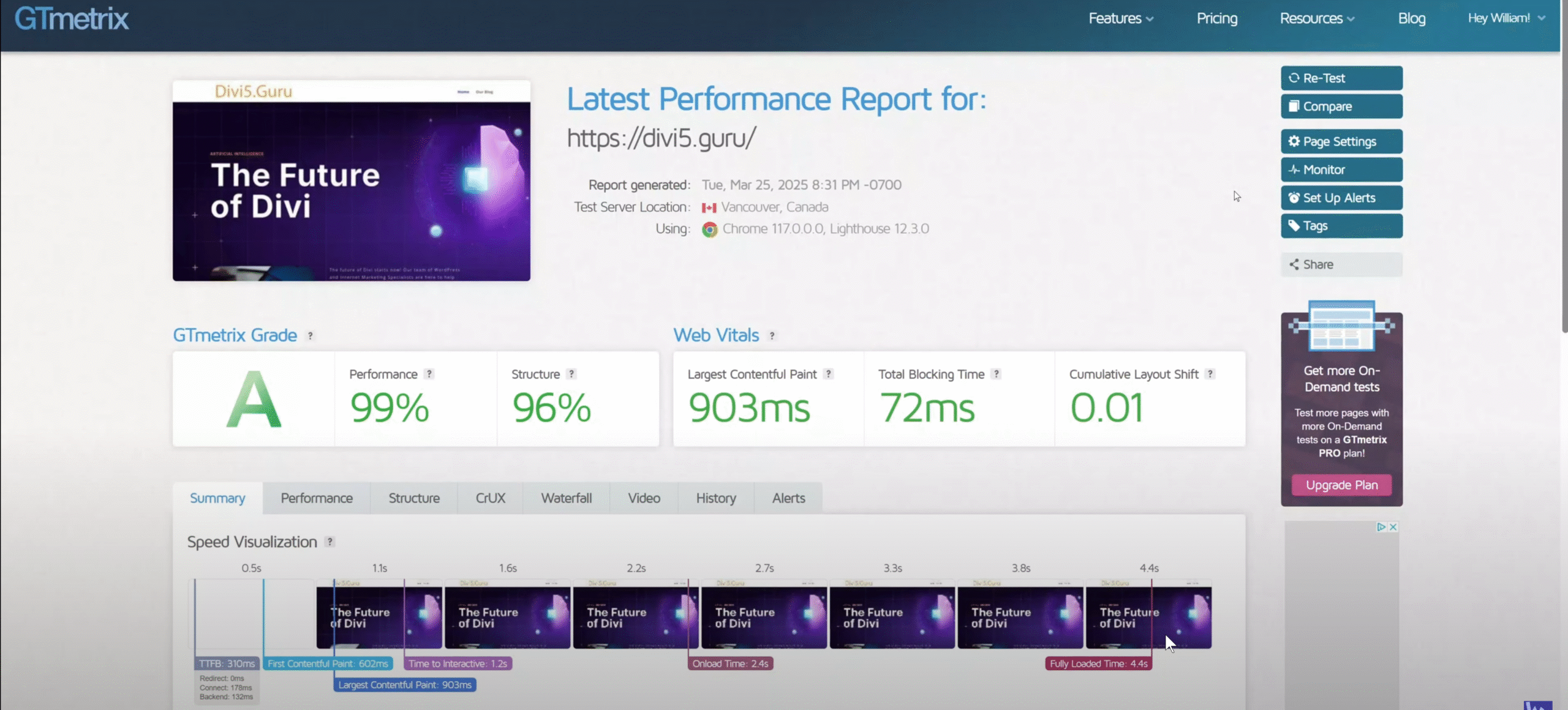
A fast-loading website is essential for user satisfaction. Use tools like Google PageSpeed Insights to identify areas for improvement, such as image compression and minimizing HTTP requests. A slow site can lead to high bounce rates and lost opportunities.
Mobile Optimization
Ensure your website is mobile-friendly. With an increasing number of users accessing the web via mobile devices, responsive design is critical for maintaining engagement. Google prioritizes mobile-friendly sites in its rankings, making this a vital aspect of your SEO strategy.
Clear Navigation
Create a user-friendly navigation structure that allows visitors to find information easily. A well-organized site can reduce bounce rates and increase time spent on your pages. Consider using breadcrumb navigation to help users understand their location within your site.
Building Quality Backlinks
Backlinks are links from other websites to yours, and they play a significant role in SEO. Here’s how to build a strong backlink profile:
Guest Blogging
Contribute high-quality content to reputable blogs in your industry. This not only helps you gain backlinks but also exposes your brand to a wider audience. Guest blogging can establish your authority and drive traffic back to your site.
Broken Link Building
Identify broken links on relevant websites and offer your content as a replacement. This strategy can help you secure valuable backlinks while providing value to the site owner. It’s a win-win situation that enhances your link profile.
Digital PR
Engage in digital public relations by creating newsworthy content or data-driven studies. This can attract media coverage and generate high-quality backlinks from authoritative sources. Building relationships with journalists and influencers can amplify your reach.
Leveraging Social Media
Social media can amplify your SEO efforts by driving traffic and increasing brand visibility. Here’s how to leverage social platforms effectively:
Share Valuable Content
Promote your content on social media channels to reach a broader audience. Engaging posts can encourage shares and drive traffic back to your website. Use eye-catching visuals and compelling headlines to capture attention.
Engage with Your Audience
Interact with your followers by responding to comments and messages. Building a community around your brand can enhance loyalty and encourage repeat visits. Social media is not just a broadcasting tool; it’s a platform for conversation.
Collaborate with Influencers
Partner with influencers in your niche to expand your reach. Influencers can help promote your content to their followers, driving additional traffic to your site. Choose influencers whose values align with your brand for authentic collaborations.
Continuous Monitoring and Reporting
SEO is not a one-time effort; it requires ongoing monitoring and adjustments. Here are key metrics to track:
Google Analytics
Use Google Analytics to track organic traffic, user behavior, and conversion rates. This data can help you identify which strategies are working and where improvements are needed. Regularly reviewing your analytics can inform your future decisions.
Google Search Console
Monitor your website’s performance in search results using Google Search Console. This tool provides insights into clicks, impressions, and average position for your keywords. Understanding how your site performs in search results is crucial for optimization.
Adjusting Strategies
Based on your analysis, be prepared to adjust your strategies. SEO is an ongoing process, and staying flexible will help you adapt to changes in search algorithms and user behavior. Regularly revisiting your strategy ensures you remain competitive.
Future Trends in SEO
As we look ahead, several trends are likely to shape the future of SEO:
Increased Focus on Privacy
With growing concerns about data privacy, brands must navigate personalization carefully. Transparent data practices and compliance with regulations like GDPR and CCPA will be essential for maintaining user trust.
Voice Search Optimization
As voice search continues to rise, optimizing for this format will be crucial. Focus on conversational keywords and phrases that align with how users speak. Local SEO will also play a significant role in voice search, as many queries have local intent.
Integration of Augmented Reality (AR)
AR is becoming increasingly popular in e-commerce and marketing. Use AR to create immersive experiences that allow users to visualize products in their environment. Tailoring AR experiences based on user preferences can enhance engagement.
Conclusion
In 2026, the intersection of personalization and organic SEO presents both challenges and opportunities. By embracing data-driven insights, tailoring content, and leveraging AI technologies, brands can create meaningful connections with their audience. As the landscape continues to evolve, staying adaptable and responsive to user needs will be key to achieving success in organic search. By prioritizing personalization, you can enhance user experiences, foster brand loyalty, and drive conversions in this dynamic environment.
Works Cited
This article provides a comprehensive overview of how to capture attention from search engines in 2026, emphasizing the importance of adapting to new technologies and user behaviors. By implementing these strategies, businesses can enhance their online visibility and drive meaningful engagement.