

Creating an effective online presence requires more than just quality content; it necessitates a strategic approach to Search Engine Optimization (SEO). Among the critical elements of SEO are the titles and URLs of your web pages. These components not only influence how search engines index your content but also play a significant role in attracting clicks from potential visitors. In this article, we will explore the best practices for crafting SEO-optimized titles and URLs that can enhance your website’s visibility and user engagement.
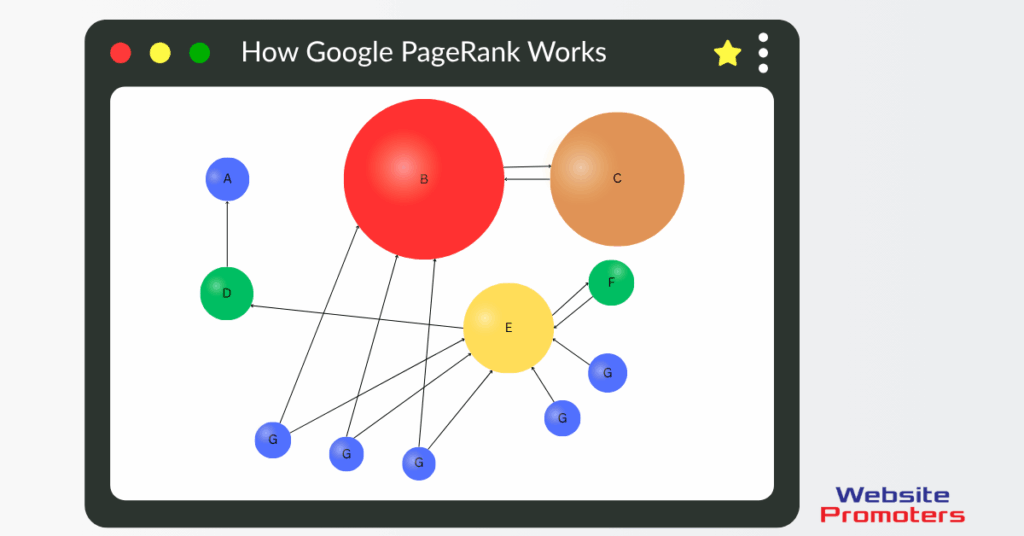
Diagram showing how Google PageRank works, with a central Google icon connected to multiple colored icons representing linked web pages, illustrating how links influence search ranking.
Understanding the Importance of SEO Titles
SEO titles, often referred to as title tags, are crucial for both search engines and users. They serve as the first impression of your content in search results, making it essential to create compelling and relevant titles. Here are some key points to consider:
1.1 What Constitutes an SEO Title?
An SEO title is the clickable headline that appears in search engine results. It typically includes the main keyword or phrase relevant to the content of the page. For example, if your article is about “Divi 5” your title could be “Divi 5 New Features – Faster, Smarter, More Powerful Design”
1.2 The Role of Keywords
Incorporating relevant keywords into your title is vital for ranking well in search results. Search engines use these keywords to determine the relevance of your content to user queries. However, it’s essential to avoid keyword stuffing, which can lead to penalties from search engines.
1.3 Crafting Engaging Titles
An engaging title not only includes keywords but also entices users to click. Consider using action words, numbers, or questions to make your title more appealing. For instance, “Discover 5 Proven SEO Strategies to Boost Your Traffic” is more engaging than a generic title.
The Anatomy of an Effective URL
Just like titles, URLs play a significant role in SEO. A well-structured URL can improve your site’s crawlability and user experience. Here’s how to create an SEO-friendly URL:
2.1 Structure and Readability
A good URL should be concise, descriptive, and easy to read. Avoid using complex strings of numbers or symbols. Instead, use hyphens to separate words. For example, a URL like www.websitepromoters.com/internet-marketing-services/orange-county-seo is much clearer than www.example.com/12345.
2.2 Incorporating Keywords
Including relevant keywords in your URL can enhance its SEO value. This helps search engines understand the content of the page better. For instance, if your page is about “Yorba Linda SEO” a URL like www.example.com/yorba-linda-seo is more effective than www.example.com/page.
2.3 Avoiding Stop Words
While crafting URLs, try to eliminate unnecessary stop words such as “and,” “the,” or “of.” These words do not add value to the URL and can make it longer and less readable. For example, instead of www.example.com/the-best-seo-tips, use www.example.com/best-seo-tips.
Best Practices for SEO Titles
To maximize the effectiveness of your SEO titles, consider the following best practices:
3.1 Keep It Concise
Aim for a title length of around 50-60 characters. This ensures that your title is fully displayed in search results without being cut off. Titles that are too long may lose their impact and visibility.
3.2 Use Unique Titles for Each Page
Each page on your website should have a unique title that accurately reflects its content. This helps search engines differentiate between pages and improves your chances of ranking for various keywords.
3.3 Include Your Brand Name
If applicable, consider adding your brand name to the title. This can enhance brand recognition and trust among users. For example, “SEO Best Practices – Your Brand Name” can be effective.
Optimizing URLs for SEO
Here are some essential tips for creating SEO-friendly URLs:
4.1 Use a Logical Hierarchy
Organize your URLs in a logical structure that reflects the hierarchy of your website. For instance, if you have a website for a company that sells noise meters(a device to measure sound), your URLs could follow the format https://www.mclennansound.com/sound-level-monitor-product-specs/. This helps both potential customers and search engines understand the pages.
4.2 Avoid Dynamic Parameters
Dynamic URLs that include parameters (e.g., www.example.com/page?id=123) can be confusing for users and search engines. Whenever possible, use static URLs that are descriptive and easy to read.
4.3 Implement Canonical Tags
If you have multiple URLs leading to the same content, use canonical tags to indicate the preferred version. This helps prevent duplicate content issues and consolidates your SEO efforts.
The Impact of SEO Titles and URLs on User Experience
While SEO titles and URLs are essential for search engines, they also significantly impact user experience. Here’s how:
5.1 Enhancing Click-Through Rates
A well-crafted title can increase your click-through rates (CTR) from search results. Users are more likely to click on titles that are clear, relevant, and engaging. This, in turn, can lead to higher rankings as search engines consider CTR as a ranking factor.
5.2 Improving Navigation
Clear and descriptive URLs make it easier for users to navigate your site. When users can understand the content of a page just by looking at the URL, they are more likely to trust your site and explore further.
5.3 Building Trust and Credibility
A professional and organized URL structure can enhance your site’s credibility. Users are more likely to trust a site that appears well-maintained and easy to navigate.
Monitoring and Adjusting Your SEO Strategy
SEO is not a one-time effort; it requires continuous monitoring and adjustments. Here are some strategies to keep your titles and URLs optimized:
6.1 Use Analytics Tools
Utilize tools like Google Analytics and Google Search Console to track the performance of your titles and URLs. Monitor metrics such as CTR, bounce rates, and organic traffic to identify areas for improvement.
6.2 A/B Testing
Consider conducting A/B tests on your titles to determine which variations perform better. This can help you refine your approach and create more effective titles over time.
6.3 Stay Updated with SEO Trends
SEO is constantly evolving, so it’s crucial to stay informed about the latest trends and best practices. Follow reputable SEO blogs and forums to keep your knowledge up to date.
Conclusion
Crafting SEO-optimized titles and URLs is a fundamental aspect of improving your website’s visibility and user engagement. By following the best practices outlined in this article, you can create compelling titles and user-friendly URLs that not only attract clicks but also enhance your site’s overall performance. Remember, SEO is an ongoing process, so continually monitor and adjust your strategies to stay ahead in the competitive online landscape.