
Understanding WordPress Plugins
What Are Plugins?
Plugins are essentially packages of code that can be added to a WordPress site to enhance its capabilities. They allow users to add new features or modify existing functionalities without altering the core WordPress code. This modular approach enables website owners to customize their sites according to their specific needs.
Why Use Plugins?
The primary reason for utilizing plugins is to extend the functionality of a WordPress site. While themes control the visual aspects of a website, plugins focus on adding features. For instance, if you want to incorporate a contact form, an SEO tool, or an e-commerce solution, plugins can provide these functionalities seamlessly.
Moreover, plugins can be activated or deactivated independently of the theme, allowing for greater flexibility. This means that the same plugin can be used across multiple sites, making it a valuable asset for developers and site owners alike.
The WordPress Plugin Directory
Exploring the Plugin Repository
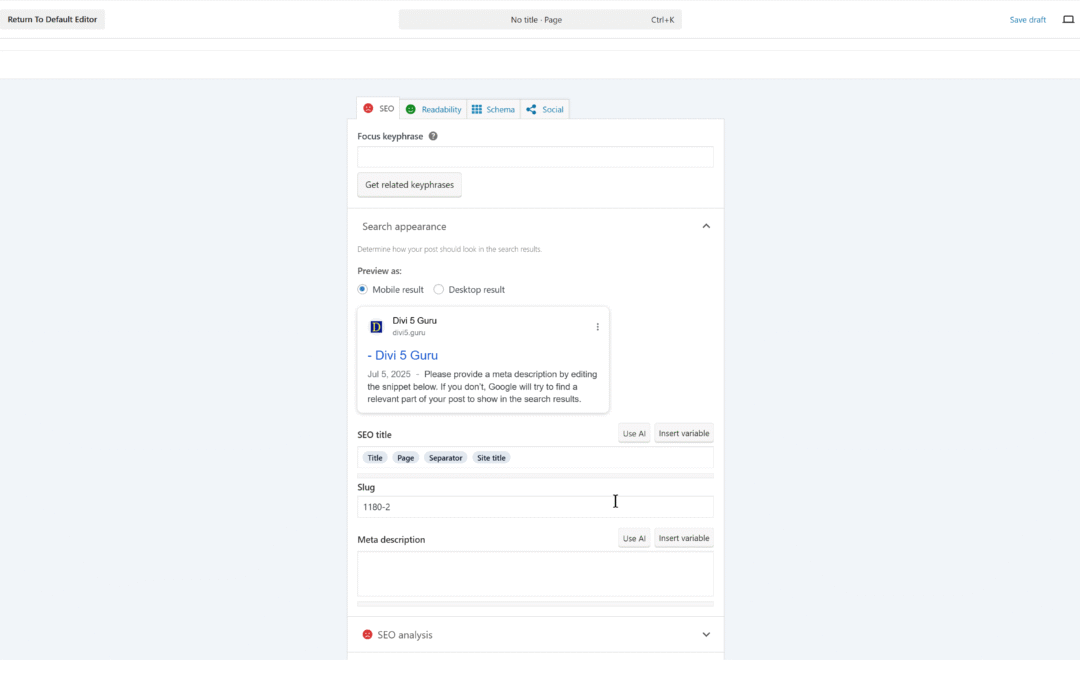
The WordPress Plugin Directory is a treasure trove of over 50,000 plugins, catering to various needs. From SEO optimization tools like Yoast SEO to security plugins such as Wordfence, the directory offers a wide range of options. Users can search for plugins based on functionality, ratings, and compatibility with their WordPress version.
Popular Plugins to Consider
Here are some must-use plugins that can significantly enhance your WordPress site:
- Yoast SEO: This plugin helps optimize your content for search engines, providing real-time feedback on SEO best practices.
- Wordfence Security: A comprehensive security plugin that protects your site from malware and unauthorized access.
- WooCommerce: If you’re looking to create an online store, WooCommerce is the go-to plugin for e-commerce functionality.
- Fluent Forms: A simple yet powerful plugin for creating and managing contact forms.
The Structure of a WordPress Plugin
Basic Components
While many plugins consist of multiple files, a valid plugin can be created with just one main PHP file. This file must include a specifically formatted comment block, known as a DocBlock, at the top. This block provides essential information about the plugin, such as its name, version, and author.
File Organization
When developing a plugin, it is crucial to maintain a well-organized file structure. The main plugin file should reside in the wp-content/plugins directory, and any additional files or assets should be organized into subdirectories. This organization not only aids in development but also makes it easier for others to understand and contribute to the plugin.
Developing Your First WordPress Plugin
Getting Started
To begin developing a plugin, follow these steps:
- Set Up a Local Development Environment: Use tools like XAMPP, MAMP, or Local by Flywheel to create a local server environment for testing your plugin.
- Create a Plugin Directory: Inside the
wp-content/pluginsfolder, create a new directory for your plugin. - Create the Main Plugin File: In your plugin directory, create a PHP file with a name that reflects your plugin’s purpose.
Writing the Plugin Code
In your main plugin file, start by adding the DocBlock at the top. Here’s an example:
<?php
/**
 * Plugin Name: My First Plugin
 * Description: A simple plugin to demonstrate WordPress plugin development.
 * Version: 1.0
 * Author: Your Name
 */
After the DocBlock, you can begin writing the functionality of your plugin. For instance, you might want to create a simple shortcode that displays a message:
function my_first_plugin_shortcode() {
    return "Hello, this is my first WordPress plugin!";
}
add_shortcode('my_first_plugin', 'my_first_plugin_shortcode');
Testing Your Plugin
Once you have written your code, it’s time to test your plugin. Activate it from the WordPress admin dashboard and check if it works as expected. You can use debugging tools like Query Monitor or the built-in WordPress debugging features to identify any issues.
Best Practices for Plugin Development
Follow Coding Standards
Adhering to WordPress coding standards is essential for creating maintainable and robust plugins. Consistent and clean code not only makes your plugin easier to understand but also enhances collaboration with other developers.
Prioritize Security
Security should be a top priority when developing plugins. Always validate and sanitize user inputs to prevent vulnerabilities such as SQL injection and cross-site scripting (XSS). Regularly update your plugin to patch any security vulnerabilities.
Optimize for Performance
Performance optimization is crucial to ensure that your plugin does not slow down your website. Minimize database queries, utilize caching where appropriate, and follow best practices to keep your plugin running smoothly.
Conclusion
Developing a WordPress plugin can be a rewarding experience, allowing you to customize and enhance your website’s functionality. By understanding the basics of plugins, their structure, and best practices for development, you can create powerful tools that meet your specific needs. Whether you are a seasoned developer or just starting, the world of WordPress plugins offers endless possibilities for innovation and creativity.
If you’re ready to take your WordPress site to the next level, consider exploring the vast array of plugins available in the WordPress Plugin Directory. And if you need assistance with plugin development or website optimization, reach out to Website Promoters for expert guidance and support. Happy developing!
0 Comments