
Understanding Conversion Rate Optimization (CRO)
What is CRO?
Conversion Rate Optimization (CRO) refers to the systematic process of increasing the percentage of website visitors who take a specific action, such as making a purchase, signing up for a newsletter, or filling out a contact form. Unlike merely driving traffic to your site, CRO focuses on maximizing the effectiveness of your existing visitors.
Why is CRO Important?
The importance of CRO cannot be overstated. A higher conversion rate means more leads and sales without the need to increase traffic. For instance, if you have a webpage that attracts 1,000 visitors per month and converts at 1%, you gain 10 customers. However, if you improve your conversion rate to 2%, you double your customer base without increasing your traffic. This efficiency can lead to significant revenue growth over time.
Setting Clear Goals
Define Your Objectives
Before diving into optimization techniques, it’s essential to establish clear goals for your webpage. What do you want your visitors to do? Common objectives include:
- Purchasing a product
- Signing up for a newsletter
- Requesting a quote
- Downloading a resource
By defining your goals, you can tailor your webpage’s design and content to facilitate these actions.
Understand Your Audience
Knowing your target audience is crucial for effective CRO. Conduct market research to understand their preferences, pain points, and behaviors. This knowledge will help you create a user experience that resonates with your visitors and encourages them to convert.
Analyzing User Behavior
Utilize Analytics Tools(like UberSuggest and Google Analytics)
To optimize your webpage effectively, you need to analyze user behavior. Tools like Google Analytics can provide insights into how visitors interact with your site. Key metrics to monitor include:
- Bounce Rate: The percentage of visitors who leave after viewing only one page.
- Average Session Duration: How long visitors stay on your site.
- Conversion Rate: The percentage of visitors who complete your desired action.
Heatmaps and User Recordings
Heatmaps and user session recordings can offer valuable insights into how users navigate your site. These tools visually represent where users click, scroll, and spend the most time, helping you identify areas for improvement.
Streamlining Navigation
Simplify Your Menu
A cluttered navigation menu can overwhelm visitors and lead to frustration. Simplify your menu by limiting the number of options and organizing them logically. Ensure that the most important pages are easily accessible.
Use Clear Calls to Action (CTAs)
Your CTAs should be prominent and clearly communicate the action you want visitors to take. Use action-oriented language, such as “Buy Now,” “Sign Up Today,” or “Get Your Free Trial.” Position your CTAs strategically throughout the page to guide users toward conversion.
Crafting Compelling Content
Write Persuasive Copy
The content on your webpage should be engaging and persuasive. Focus on the benefits of your product or service rather than just the features. Use storytelling techniques to connect with your audience emotionally and illustrate how your offering can solve their problems.
Incorporate Social Proof
Social proof, such as testimonials, reviews, and case studies, can significantly enhance your credibility. Displaying positive feedback from satisfied customers can reassure potential buyers and encourage them to take action.
Designing for Conversion
Optimize for Mobile
With a growing number of users accessing websites via mobile devices, ensuring your site is mobile-friendly is essential. A responsive design that adapts to different screen sizes can improve user experience and increase conversion rates.
Improve Page Load Speed
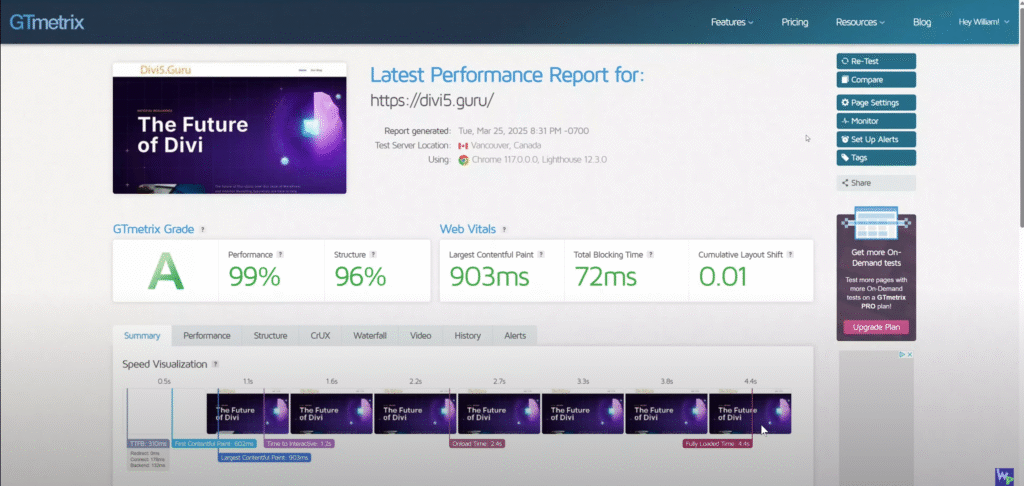
A slow-loading webpage can lead to high bounce rates. Optimize your images, minimize code, and leverage browser caching to improve load times. Aim for a loading speed of under three seconds to keep visitors engaged.
Utilizing A/B Testing
What is A/B Testing?
A/B testing, or split testing, involves comparing two versions of a webpage to determine which one performs better. By testing different elements, such as headlines, images, or CTAs, you can identify what resonates most with your audience.
Implementing A/B Tests
To conduct effective A/B tests:
- Choose a Variable: Select one element to test at a time, such as a CTA button color or headline.
- Create Two Versions: Develop two variations of the webpage, with only the chosen element differing.
- Analyze Results: Use analytics tools to measure the performance of each version and determine which one yields a higher conversion rate.
Building Trust and Credibility
Display Security Badges
If you are running an e-commerce site, displaying security badges can reassure customers that their personal information is safe. Include logos from trusted payment processors and security certifications to build trust.
Offer a Money-Back Guarantee
A money-back guarantee can alleviate potential buyers’ concerns about making a purchase. By offering a risk-free trial, you can encourage hesitant visitors to convert.
Creating a Seamless User Experience
Minimize Form Fields
If your conversion goal involves filling out a form, keep it as short as possible. Only ask for essential information to reduce friction and increase the likelihood of completion.
Provide Clear Instructions
Ensure that your visitors understand what to do next. Use clear instructions and visual cues to guide them through the conversion process. For example, if you want users to sign up for a newsletter, provide a straightforward explanation of the benefits they will receive.
Monitoring and Iterating
Continuously Analyze Performance
CRO is an ongoing process. Regularly review your analytics to identify trends and areas for improvement. Stay updated on industry best practices and be willing to adapt your strategies as needed.
Gather User Feedback
Solicit feedback from your users to gain insights into their experiences. Use surveys, polls, or direct communication to understand their pain points and preferences. This information can guide your optimization efforts